Narrative as the Puzzle Engine
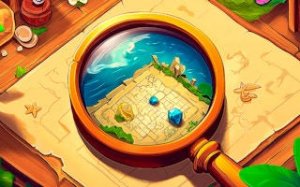
In Enigma Trails: Logic Journey, the story is not just a backdrop but the primary motivator for each puzzle. Players control a character moving through a series of hand-drawn environments, each with its own set of interactive objects and non-player characters. The narrative unfolds in chapters, and every solved puzzle reveals a new piece of the overarching mystery. This design ensures that players feel a sense of progression and purpose, as each logical step brings them closer to understanding the central enigma. The writing is clear and age-appropriate, making the plot accessible to younger audiences while still engaging for adults.
Observation and Deduction Mechanics
The core gameplay revolves around careful observation and deductive reasoning. Players must examine each scene for clues, which can be hidden in plain sight or require combining items from different locations. Puzzles are not arbitrary; they are woven into the environment and story. For example, a locked chest might require a key found in a previous room, but only after deciphering a pattern on a wall. The game encourages players to think about cause and effect, as actions in one area often influence events elsewhere. There is no time pressure, allowing for thoughtful exploration.
Family-Friendly Atmosphere
Enigma Trails: Logic Journey is explicitly designed for a broad audience. There are no violent or mature themes. The visual style is bright and inviting, with character designs that are expressive but not frightening. The puzzles are challenging enough to require concentration but never frustratingly difficult. This balance makes it an excellent choice for parents playing alongside children, as the game promotes discussion and collaboration. The interface is simple, relying solely on mouse clicks, so even young players can navigate without assistance.
Standalone Experience with Series Roots
While this is the third entry in a series, new players can enjoy it as a standalone adventure. The story is self-contained, though returning players will appreciate subtle callbacks to earlier events. The game respects the player's time by providing a clear path forward without excessive backtracking. Each new area introduces fresh puzzle types, preventing repetition. The final chapter ties together the narrative threads in a satisfying conclusion that rewards the player's investment.
Progression and Hint System
The game employs a gentle difficulty curve. Early puzzles teach basic mechanics, such as item collection and simple pattern matching. Later challenges require multi-step reasoning, like using a tool to access a hidden area and then combining two items to create a solution. Environmental cues serve as subtle hints. For instance, a painting might depict a sequence that unlocks a drawer. Players who pay attention to these details will find the puzzles rewarding. There is no penalty for incorrect attempts, encouraging experimentation.
Compatibility
✅ This game supports:
- Desktop browsers (Chrome, Edge, Safari)
- Mobile browsers (Chrome on Android, Safari on iOS)
❌ Does NOT support: - Internet Explorer - Very old browser versions
👉 Try refreshing or updating your browser







Player Comments
Sign in to comment
You must be logged in before posting a review or rating.
No account? Create one
No comments yet. Be the first to comment!